 English
 Korean



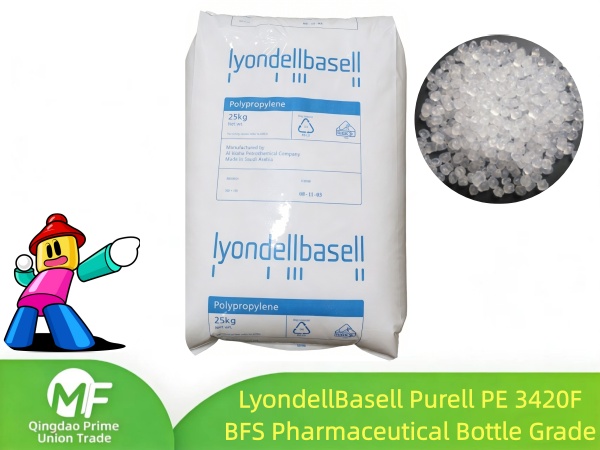
Purell PE 3420F LDPE: Stiff BFS Vials, Faster Sterilization
Every BFS line running standard LDPE hits the same wall at the sterilization stage. The resin softens below 121°C, so the validated 121°C/15-minute cycle is not an option, and the equivalence route stretches autoclave time to 130–195 minutes to reach the same F₀. That time is not free: it occupies the sterilizer, limits throughput, and adds steam cost to every batch. Purell PE 3420F from LyondellBasell is an LDPE built around that constraint. At 0.933 g/cm³—high for the family—it pairs a 520 MPa tensile modulus with a confirmed sterilization temperature of 115°C, which under equivalence brings the cycle down to roughly 30–50 minutes. We have supplied this grade into parenteral packaging evaluations where the autoclave, not the BFS machine, was the bottleneck, and the sterilization log is usually the first place the difference shows up.
Product Specifications
| Property | Nominal Value | Unit | Test Method |
|---|---|---|---|
| Melt Flow Rate (190°C/2.16 kg) | 0.9 | g/10 min | ISO 1133-1 |
| Density | 0.933 | g/cm³ | ISO 1183-1 |
| Tensile Modulus | 520 | MPa | ISO 527-1, -2 |
| Tensile Stress at Yield | 15 | MPa | ISO 527-1, -2 |
| Tensile Strain at Yield | 11 | % | ISO 527-1, -2 |
| Vicat Softening Temperature (A/50) | 111 | °C | ISO 306 |
| Peak Melting Point | 119 | °C | ISO 11357-3 |
These are typical values from the manufacturer’s public TDS. They are not release specifications; lot COAs govern acceptance.
What the Grade Actually Changes on the Line
Higher density gives molders room to down-gauge. The 520 MPa modulus is the practical consequence of pushing LDPE density to 0.933 g/cm³. A converter running a 10 mL BFS vial can evaluate a thinner wall while keeping the rigidity needed for filling-line handling and post-sterilization dimensional stability. The higher density also improves water-vapor barrier, which matters when shelf-life targets are part of the package design.
The 115°C window shortens autoclave occupancy. LyondellBasell’s published data puts the sterilization-time reduction at up to 75% versus competitive LDPE grades. Under F₀ = 8, BFS LDPE 3420F runs 97 minutes faster than Purell PE 3020D; under F₀ = 12, the gap approaches 150 minutes. For a line where the sterilizer is the constraint, that is capacity released without a capital project.
No additives in the formulation. The grade is produced without antioxidant, antiblock, or slip additives. That simplifies the extractables discussion for parenteral contact and is the reason it shows up in infusion-bottle and small-volume parenteral evaluations rather than general-purpose BFS work.
The 0.9 MFR keeps embossing legible. High-density LDPE can stiffen in the melt and lose surface definition. At 0.9 g/10 min, Purell PE 3420F pharmaceutical LDPE holds graduation marks, twist-off geometry, and brand text without forcing a die-temperature compromise—one converter reported that embossing clarity was better than the standard BFS grade they had been running.
Where It Fits
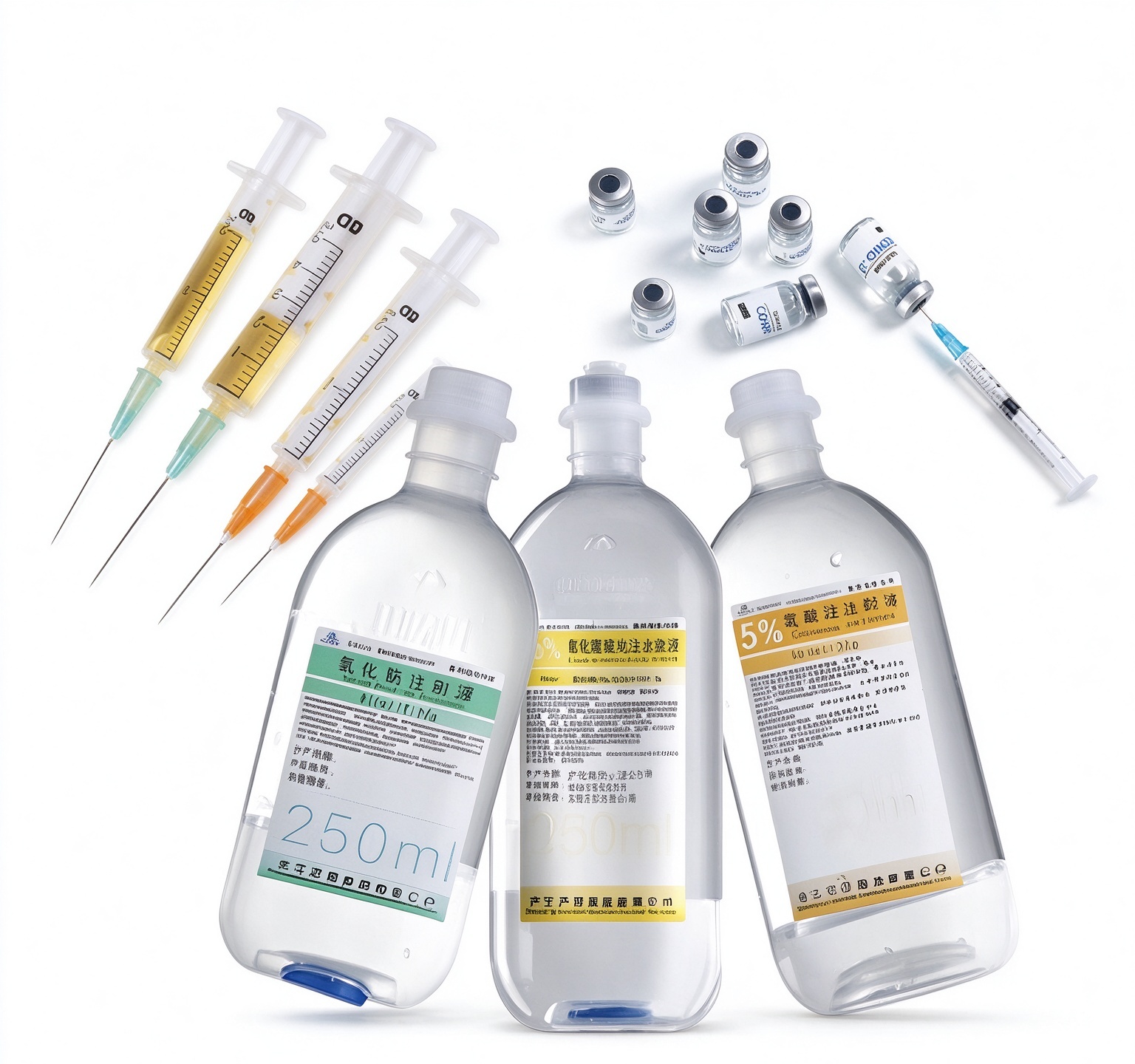
BFS infusion bottles and small-volume parenteral vials. A BFS container manufacturer evaluating an equivalence-method filing ran 3420F against its incumbent BFS LDPE. The shorter autoclave cycle freed sterilizer capacity, and the bottle body held shape after the reduced-temperature cycle, which allowed a parallel wall-thickness study to proceed. On lines where the autoclave is the bottleneck, that combination is often what moves a trial toward a filing decision.
Ophthalmic squeeze bottles. Eye-drop bottles need collapsibility for drop delivery and enough rigidity that the body does not collapse in the secondary pack. The 520 MPa modulus gives the bottle wall a firmer spring-back than lower-density LDPE, which some fillers prefer for consistent drop volume across the fill.
Medical film and device packaging components. The grade also runs in blown film and injection molding, so components sharing a sterilization cycle with the primary container can be evaluated on the same resin platform. That reduces the number of materials in the validation matrix.
Technical Comparison
| Property | Purell PE 3420F | Purell PE 3040D | Purell PE 3020D |
|---|---|---|---|
| Density (g/cm³) | 0.933 | 0.928 | 0.927 |
| Tensile Modulus (MPa) | 520 | 300 | 300 |
| MFR (g/10 min) | 0.9 | 0.25 | 0.3 |
| Confirmed sterilization temp. | 115°C | Can be raised vs. 3020D | Baseline BFS grade |
Data for 3040D and 3020D from LyondellBasell public portfolio literature; 3420F values from the grade TDS. This is not a ranking. 3020D remains a workhorse BFS grade with a longer validation history. The question is whether the application gains enough from the density-driven modulus and the 115°C window to justify a material change. For processors already running other SABIC LLDPE grades we supply in adjacent lines, keeping a second high-rigidity LDPE in the portfolio is a separate supply conversation.
Supply Chain and Logistics
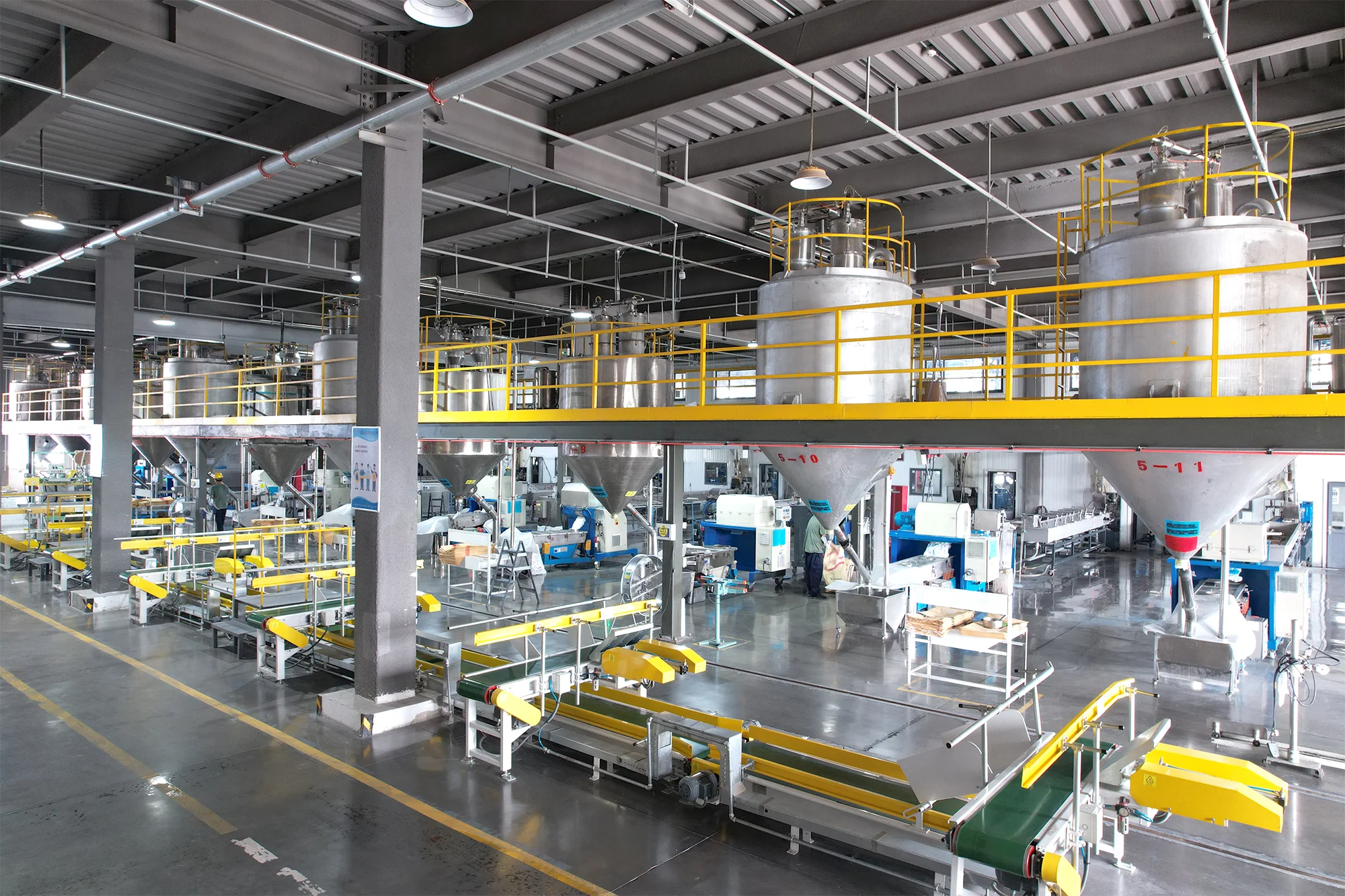
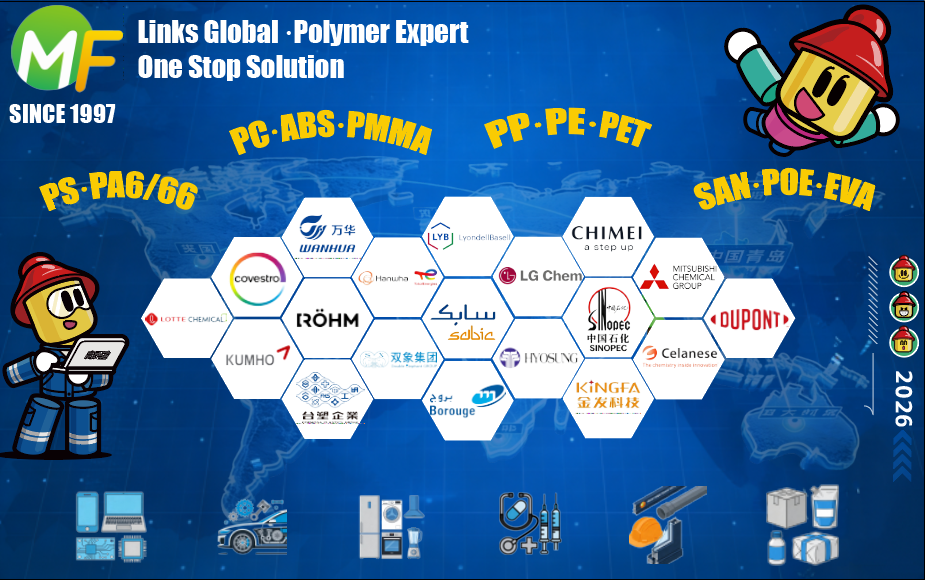
Qingdao Prime Union Trade Co., Ltd. has supplied engineering thermoplastics for more than 20 years and holds authorized distributor relationships with Chimei, SABIC, Hanwha Total, and Hyosung, alongside direct supply channels with Mitsubishi, Rohm, Double Elephant, and LG. The portfolio covers ABS, PC, PP, PMMA, EVA, and related materials. For Purell PE 3420F, the company operates four owned warehouses across China and supports general trade, processing trade with manual reconciliation, and bonded warehouse transactions. In-stock availability applies to key grades; inventory positions and allocation are confirmed at the time of inquiry.
The sister company, Qingdao Primetech Plastics, handles compounding and color for engineering plastics—toughening, filling, PC/ABS alloying, flame retardancy, coloring, and medical-grade masterbatch. Standard colors and basic modifications run on a 3-day sample and 7-day production rhythm, so a converter needing a trial color chip alongside the 3420F validation batch can coordinate both through the same technical contact.
Frequently Asked Questions
Q: Is USP Class VI or ISO 10993 documentation available for Purell PE 3420F?
A: LyondellBasell documents its regulatory position through the Product Stewardship Bulletin and Safety Data Sheet. Public material databases list the grade against FDA 21 CFR, ISO 10993, USP Class VI, and Drug Master File entries, but the applicable revision and scope should be confirmed against the current PSB for your filing. The additive-free formulation simplifies the extractables discussion; final responsibility for drug-container compatibility sits with the applicant.
Q: My validated cycle is 121°C/15 minutes. Can I switch directly to 3420F?
A: Not on temperature alone. The 115°C figure is a confirmed temperature for equivalence-method sterilization, not a replacement for a 121°C cycle. The realistic route is to evaluate an F₀-based equivalence cycle at 115°C with the longer hold that equivalence requires, then compare total autoclave occupancy against your current standard-LDPE cycle before committing to a validation plan.
Q: What is the MOQ, and how are samples handled?
A: MOQ depends on packaging format and whether the transaction runs as general trade or processing trade; it is quoted against the specific inquiry. Samples are fee-based, with the sample cost credited toward the first full order.
Q: Can you support bonded warehouse delivery and provide COA/MSDS before shipment?
A: Bonded warehouse transactions, processing trade manuals, and general trade are all within the company’s operating scope. COA and MSDS are issued against the actual lot. The TDS values above are typical and should not be used as a release specification. For a new BFS validation, request the lot COA alongside the PSB so quality and regulatory documents are reviewed together.
Q: Does the grade run on existing BFS screws and dies without a hardware change?
A: Recommended melt temperature is 170–220°C, which overlaps the window most LDPE BFS lines already run. The density and melt strength are higher than a standard BFS grade, so we suggest starting at the low end of the range and adjusting on parison drawdown and wall-thickness distribution. Most lines we have seen do not require a screw or die change, but the first trial should be run with wall-thickness measurement in place rather than assumed from the incumbent recipe.
Conclusion
Purell PE 3420F makes its case on two numbers that drive a BFS cost model: 0.933 g/cm³ for wall-thickness headroom, and a 115°C sterilization window that can pull autoclave time from the 130–195 minute range toward 30–50 minutes under equivalence—without adding additives to the parenteral contact surface.
Source: LyondellBasell – Purell PE 3420F Technical Data Sheet – Public TDS. Supplementary sterilization and portfolio data: LyondellBasell – Purell PE 3420F: Redefining speed and performance (product flyer); LyondellBasell – Purell PE polyethylene resin portfolio overview (Chinaplas 2024 edition).
Enterprise strengths

Resources Diversification
24 years of experience as import and export engineering plastic agent, with a full range of agent brands and more diverse options.
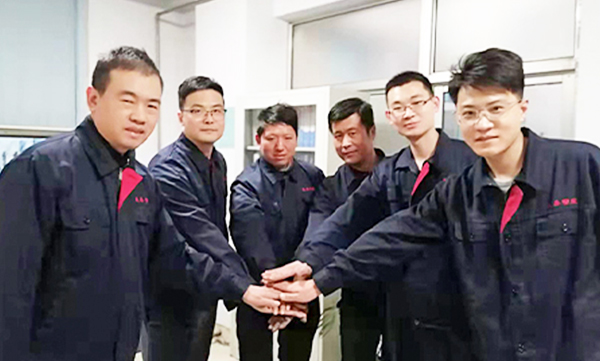

Comprehensive Customized Services
Industry and trade integration, 19 years of experience in modified plastic, pre-sales, sales and after sales technical support services.


Convenient Transportation
Close to natural harbor ---Qingdao port,makes more efficient the import and export operations.
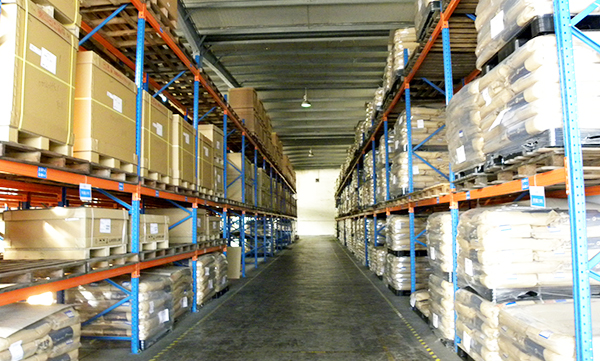

Flexible Trading Methods
According to the commerce handbook “commerce manual + general trade ”, a variety of trade methods, bonded area warehouse with sufficient inventory.
Global Recognized Certifactions
Global Recognized Certifactions
If you require certificates in PDF format or complete datasheets, please contact us directly.